
The House Edge Explained
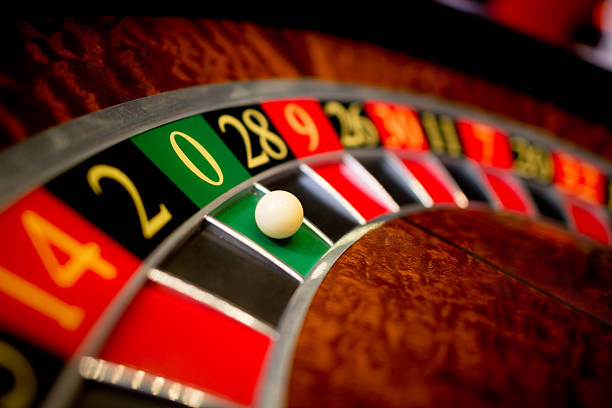
The concept of the house edge is fundamental to understanding how casinos operate and the advantages they maintain over players. Essentially, the house edge represents the statistical advantage that a casino holds in any given game. For example, in a standard game of roulette, the presence of the zero (or double zero) means that the probability of winning is slightly less than the payout would suggest. This built-in advantage ensures that over time, the casino will earn a profit, regardless of individual player outcomes. Players seeking quick payouts often turn to casino sites fast withdrawal , as the house edge serves as a reminder that while they may enjoy short-term wins, the odds are structured to favor the casino in the long run.
The house edge varies from game to game, and understanding these differences can be crucial for gamblers looking to make informed decisions. Games such as blackjack and poker can have a lower house edge compared to slot machines, meaning that players have a better chance of winning in the long run. By recognizing which games offer a more favorable house edge, players can strategize and potentially extend their gaming session, increasing their chances of coming out ahead during their visit. For instance, while the house edge in blackjack can be as low as 1%, in many slot machines, it can exceed 10%, highlighting the importance of game selection.
Furthermore, the house edge is not merely a fixed percentage; it can be influenced by player choices and strategies. In skill-based games like poker, knowledgeable players can reduce the house’s advantage through strategic play and risk management. However, this does not negate the underlying advantage that the house maintains overall. Thus, even with optimal strategies, players must remain aware that the odds are inherently structured in favor of the casino. A seasoned player may be able to improve their odds, but the house edge will always remain a critical factor in the equation.
The Role of Randomness
Another critical factor in analyzing casino advantages is the role of randomness. Most casino games rely on random outcomes, which can make it challenging for players to predict results or feel confident in their decisions. This randomness is particularly pronounced in games like slot machines, where the outcome is determined by random number generators that ensure each spin is independent of the last. As a result, players can win big one moment and lose everything in the next, leading to a highly unpredictable gaming experience. The thrill of anticipation can be exhilarating, but it also underscores the inherent risks of gambling.
This reliance on chance can also lead to phenomena like loss chasing, where players continue to gamble to recover losses, often leading to greater financial strain. The thrill of potential massive payouts can blur the line between entertainment and risk, compelling players to engage in behaviors that may not be in their best interest. Understanding how randomness operates in the casino context can help players manage their expectations and approach gambling with a more sensible mindset. Recognizing that outcomes are independent can prevent players from falling into the trap of believing they are due for a win after a series of losses.

Moreover, casinos are well aware of the psychological effects of randomness and often design games that create an illusion of near wins. For example, slot machines may display patterns that continually tease players with the feeling of a potential win, even if the odds are stacked against them. This understanding of randomness, combined with psychological tactics, enhances the casino’s edge, further solidifying its financial advantage in this competitive industry. Players may find themselves caught in a cycle of hope, driven by the belief that they can break the streak of losses, but the reality remains that chance governs the outcomes.
Player Strategies and Their Effectiveness
Despite the inherent advantages that casinos maintain, players can still employ various strategies to enhance their gaming experience. In games like blackjack, for example, players can use strategies such as card counting to track the ratio of high to low cards remaining in the deck. While this technique does not eliminate the house edge, it can help savvy players make more informed decisions about when to hit, stand, or double down, maximizing their potential returns. Mastering such strategies requires practice and discipline, but they can significantly influence the game dynamics.
Similarly, in games like poker, understanding opponent behavior and employing advanced strategies can shift the dynamics of the game significantly. Experienced players often rely on psychological tactics to outmaneuver their opponents, thus gaining a competitive edge. While these strategies require skill and practice, they demonstrate that players can influence their outcomes to a certain degree, even in games where luck plays a significant role. However, the effectiveness of these strategies varies between players, as some may find success while others may struggle, highlighting the unpredictable nature of gambling.
However, it’s essential to recognize that not all strategies will work for every player, and individual results can vary widely. While some may find success employing these techniques, others may struggle, further underlining the importance of understanding the inherent advantages held by the casino. The combination of strategy and chance is what makes casino games appealing but also emphasizes the difficulty of consistently beating the house. Players must balance their strategic efforts with the reality that the odds are ultimately in the casino’s favor.
Casino Promotions and Loyalty Programs
Casinos often employ various promotions and loyalty programs designed to attract and retain players. These strategies can be enticing for gamblers, offering bonuses, free spins, or even cash rewards based on gameplay. While these promotions can enhance the overall experience and provide added value, it is crucial for players to approach these offers with caution. Often, these incentives come with conditions that may not be immediately apparent, such as wagering requirements that can ultimately negate any perceived benefits. Understanding the fine print of these promotions is essential for making informed decisions about gambling expenditure.
Furthermore, loyalty programs typically reward frequent players but can create a paradox where players feel compelled to gamble more to achieve higher status or rewards. This dynamic can lead to increased spending and risk-taking behavior, further boosting the casino’s profits. Understanding how these promotions work and their potential implications can help players navigate these offerings more thoughtfully and avoid common pitfalls associated with compulsive gambling. Players should be mindful of their budgets and set limits to prevent overspending in pursuit of rewards.
In addition to bonuses, these programs can also enhance the social aspect of casino gaming. Players may often find themselves engaging with others in shared experiences, fostering a sense of community. However, while the social experience can be enjoyable, it’s important for players to remain aware of their budgets and the inherent risks involved in gambling. By maintaining a level of self-awareness, players can enjoy the perks of promotions while still safeguarding their finances. Striking a balance between enjoying the social environment and practicing responsible gambling is key to a fulfilling casino experience.
Your Gambling Experience and Expectations
Your overall gambling experience is shaped by a multitude of factors, from the games you choose to play to the strategies you employ. Understanding the advantages held by the casino can help set realistic expectations and approach gambling as a form of entertainment rather than a guaranteed source of income. This mindset can alleviate pressure and enhance enjoyment while minimizing the financial risks involved. Players who view their casino visits as a leisure activity are more likely to have a positive experience, as they can focus on the enjoyment rather than the outcome.
Moreover, elements such as ambiance, customer service, and amenities can all contribute to the overall gambling experience. A well-designed casino setting, complete with engaging visuals and attentive staff, can enhance the enjoyment of gaming and create memorable moments. These factors should not be overlooked, as they play a vital role in shaping players’ perceptions and experiences during their visits. A casino that prioritizes customer satisfaction can create an environment in which players feel valued, ultimately encouraging repeat visits.
Ultimately, the key to enjoying your time in a casino lies in the balance between understanding the odds and recognizing the entertainment value of gambling. While the house edge ensures that the casino will benefit in the long run, being aware of this can empower players to make informed choices. By focusing on the social and entertainment aspects of gambling while acknowledging the risks, players can craft a more enriching and enjoyable experience during their casino visits. Understanding these dynamics allows players to approach their gaming with a balanced perspective, enhancing their overall satisfaction.
